American Chambers of Commerce promote the interests of the tobacco industry worldwide.
July 5, 2026
Par: National Committee Against Smoking
Dernière mise à jour: July 3, 2026
Temps de lecture: 6 minutes
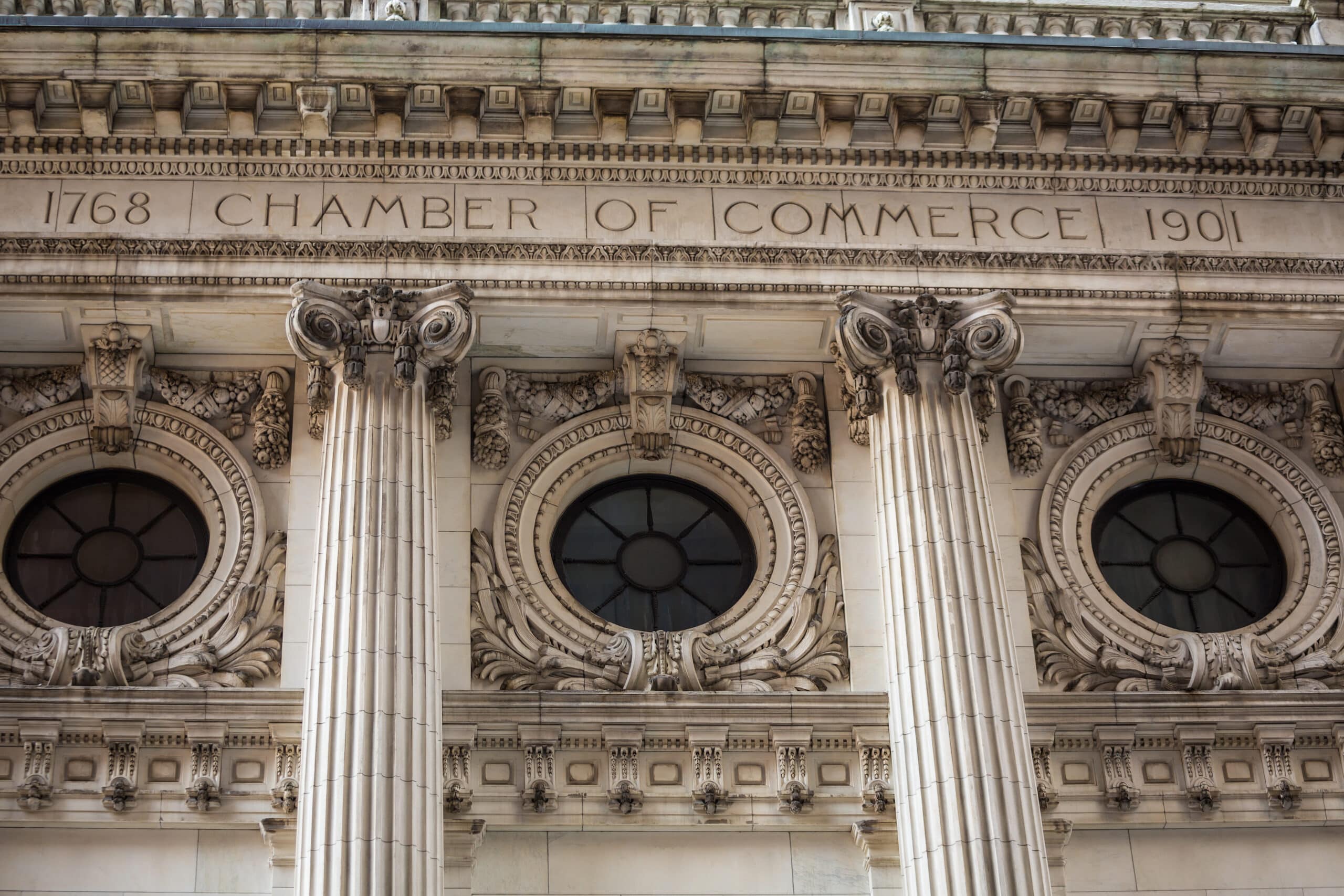
A study published in BMJ Tobacco Control[1] A study by researchers from the Global Governance in Tobacco Control (GGTC) highlights the role played by American Chambers of Commerce (AmChams) in lobbying for the tobacco and nicotine industry. Analyzing more than 100 organizations worldwide, the researchers describe interventions on regulatory projects, new nicotine products, and illicit trade, raising questions about the protection of public health policies against the industry's commercial interests.
The role of American Chambers of Commerce in the global pro-tobacco lobby
The study examined the links between American Chambers of Commerce (AmChams), independent trade associations based in host countries and affiliated with or supported by the U.S. Chamber of Commerce, and the tobacco industry. Researchers analyzed 103 AmChams worldwide and found that 80 had at least one tobacco company among their members, including Imperial Brands, Philip Morris International, and British American Tobacco. In 27 of these cases, tobacco companies held leadership or senior positions, and 59 AmChams had adopted one or more pro-tobacco positions between 2010 and 2025. The authors suggest that these organizations can provide manufacturers with a framework for influence, leveraging the credibility associated with the U.S. Chamber of Commerce network and its connections to economic and diplomatic circles.
The study thus identifies several examples of interventions relating to the regulation of tobacco and nicotine products (product bans, tax increases, health warnings, plain packaging, advertising restrictions, etc.)[2]. The researchers also mention stances taken on the illicit tobacco trade and the promotion of new "harm-reducing" products such as e-cigarettes and heated tobacco, echoing the rhetoric of tobacco manufacturers on all these issues. Chambers of Commerce can also highlight corporate social responsibility (CSR) initiatives and the environmental, social, and governance (ESG) criteria put forward by some manufacturers. According to the researchers, these actions can help restore the industry's public image and promote its positions to public decision-makers and the general public.
Thus, in Ukraine, the local American Chamber of Commerce organized a conference on the illegal tobacco trade in 2023, attended by members of parliament, representatives from key ministries, executives from companies such as Japan Tobacco International, and representatives from Kantar, a market research firm closely linked to the tobacco industry. Since then, Ukrainian law enforcement has cited Kantar data in several policy documents detailing the impact of tobacco smuggling. Other examples are cited, covering Asia, the Americas, Africa, and Europe. Indeed, this mobilization of the Chamber of Commerce and Industry network is also present in various European countries to lobby for European directives.
A striking example of interference and major undermining of a preventive measure in Bulgaria
In January 2025, the death of a 14-year-old Bulgarian boy after using an e-cigarette containing a synthetic drug similar to cannabis sparked outrage in the country. In the weeks that followed, the Bulgarian Parliament unanimously passed a first draft of a bill to ban all e-cigarettes.
According to an article published by the investigative journal The Examination[3], The American Chamber of Commerce in Bulgaria (five of the country's ten largest private employers are members) then lobbied parliamentarians to oppose the ban, arguing that it would fuel the illicit market and reduce tax revenue. The organization also highlighted the economic contribution of tobacco manufacturers operating in the country and their corporate social responsibility (CSR) policies.
The initial plan to ban all electronic cigarettes was ultimately replaced by a text prohibiting only disposable devices, while allowing rechargeable models.
The authors call for the application by all public authorities of the obligations to protect public health policies.
The authors of the study point out that the WHO Framework Convention on Tobacco Control (FCTC), ratified by more than 180 countries, requires Parties to protect their public health policies from the commercial interests of the tobacco industry under Article 5.3. They therefore call on governments, international agencies, and multilateral organizations to systematically adopt and implement transparency measures regarding existing links between American Chambers of Commerce and tobacco manufacturers, and to manage any proven conflicts of interest accordingly. In particular, they recommend denouncing and severing all partnerships with the American Chamber of Commerce (AmCham).
In parallel, the authors recommend that civil society organizations support the implementation of Article 5.3 at the national level and strengthen the reporting of interference, notably through the GGTC's Global Transparency Indicator (GTI), which assesses how countries have put in place safeguards against the tobacco lobby and its interference in public policy.
AD
[1]Niazi F., Sy DK, Assunta M., Escritor A., Chambers of secrets: how the US Chamber of Commerce advances tobacco industry agendas, Tobacco Control, Published on May 4, 2026, accessed on July 2, 2026
[2]Pamela Ferdinand, Big Tobacco promotes e-cigarettes, undermines health protections through US business groups worldwide, US Right to Know, published June 30, 2026, accessed July 2, 2026
[3]Jason McLure, How the global network of America's largest business lobby opens doors for tobacco companies, The Examination, published on July 1, 2026, accessed on July 2, 2026