Fruity vaping flavors authorized in the United States: between heightened lobbying and public health concerns
May 10, 2026
Par: National Committee Against Smoking
Dernière mise à jour: May 6, 2026
Temps de lecture: 5 minutes
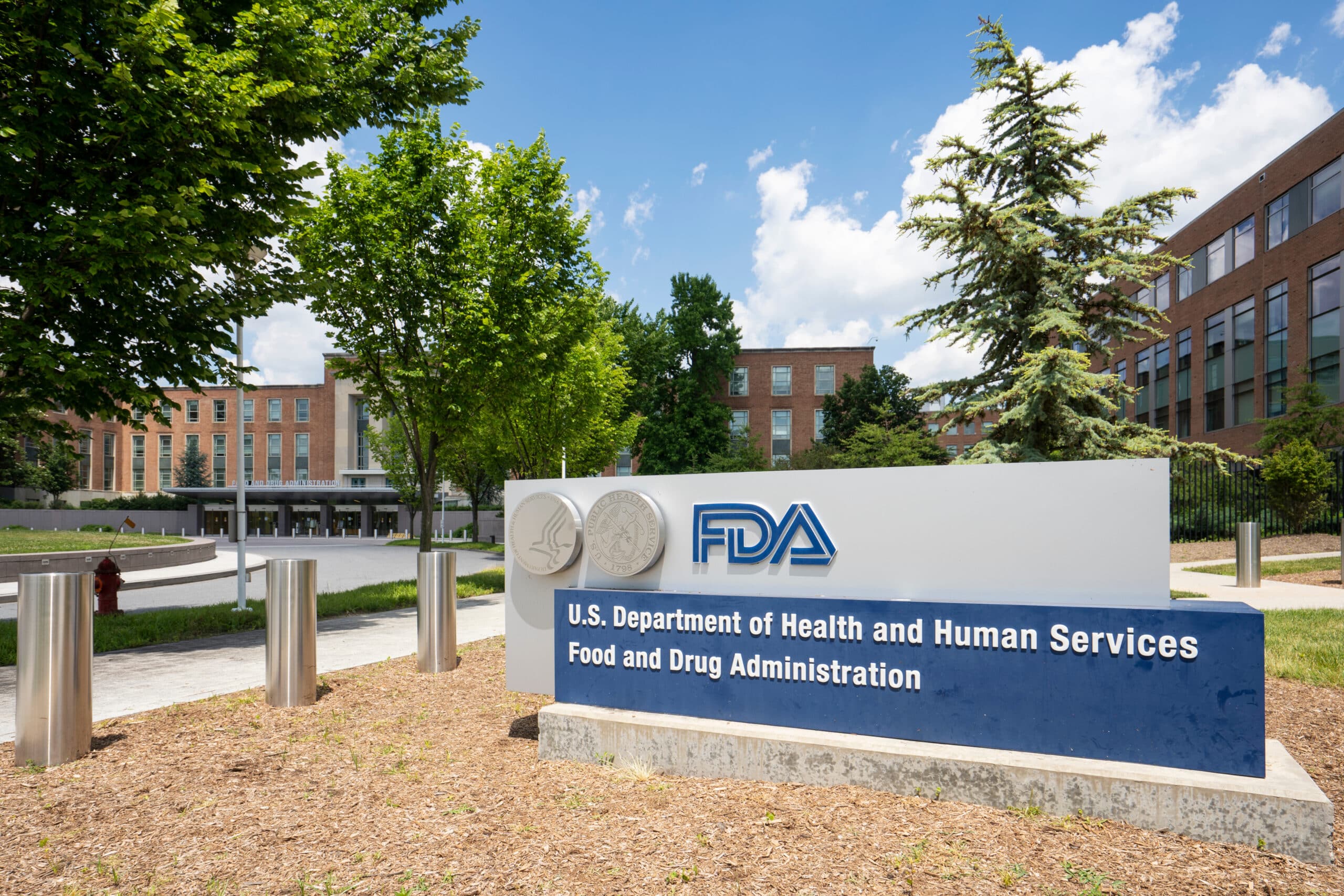
The U.S. Food and Drug Administration (FDA) has authorized, for the first time, the marketing of fruit-flavored electronic cigarettes intended for adult smokers.[1]. This decision marks a significant shift for the US regulatory agency, coming after months of requests and pressure from the vaping industry on the federal administration. Public health NGOs are concerned about this decision, which poses a serious risk to non-smokers, especially young people, the primary target of these addictive products.
A decision motivated by adult smoking cessation but resulting from strong industry lobbying
The newly approved e-cigarettes come in mango, blueberry, and two menthol flavors. Los Angeles-based Glas Inc. plans to market these flavors under the names Gold, Sapphire, Classic Menthol, and Fresh Menthol, according to the FDA statement. Most of the e-cigarettes approved by regulators come from major manufacturers, such as Juul and Altria, with 45 e-cigarette products now authorized for sale in the United States.
The FDA clarifies that this is neither an approval nor a recommendation, but a controlled authorization for adults wishing to reduce or quit smoking. Prior to March 2026, the federal agency had only authorized vaping products flavored with tobacco or menthol, but since then, it has decided to lift certain flavor restrictions, subject to certain conditions. solid evidence on the comparative advantages of flavors attractive to smokers (menthol, coffee, mint, spices…) compared to flavors attractive to non-smokers (fruits, candies, desserts…). She also proposed introducing Device Access Restrictions (DARs) to prevent their use by minors, requiring official identification on a phone to connect e-cigarettes via Bluetooth to the "authorized" user's phone. However, she warned of the "« current lack of concrete experience regarding the use of DAR to sufficiently prevent or mitigate the risk of use among young people »[2].
Vaping product manufacturers, for their part, argue that these products can help reduce traditional smoking among adults, which is responsible for approximately 480,000 premature deaths annually in the United States, while also limiting youth initiation into smoking. This "harm reduction" argument is often used for marketing purposes to expand the market for new products (including heated tobacco and nicotine pouches in addition to vaping products) and attract new addicted consumers.
As a reminder, these same manufacturers pressured the Trump administration for months to ease restrictions on their products, and they were particularly supportive of Donald Trump's candidacy, one of whose campaign promises was to had been to "save vaping". The same president reportedly reprimanded FDA Commissioner Marty Makary over the weekend for not acting quickly enough in approving flavored e-cigarettes and nicotine products.[3].
Public health experts are concerned about the risks of initiation and addiction among young people.
This authorization has sparked reservations among public health organizations such as the Campaign for Tobacco-Free Kids and the Truth Initiative, as well as parent associations, who point out that flavors are a major factor in attracting teenagers. While youth vaping has reached its lowest level in ten years in the United States, with 1.4 million high school students vaping, this decline is the result of increased regulations under Joe Biden (raising the legal sales age from 18 to 21, banning enticing flavors, etc.), and this reversal risks undermining the effectiveness of these measures to protect young people. A recent study by the CDC Foundation has indeed confirmed the crucial role of flavors in the initiation and use of electronic cigarettes among young people.. Furthermore, a large proportion of teenage vapers continue to consume unauthorized, cheap, and disposable flavored products, often imported from China, which highlights the importance of better market control.
For Kathy Crosby of Truth Initiative, an American anti-smoking NGO, the FDA's approval of fruit flavors is likely to set a precedent. This authorization could lead to a relaxation of US regulations on vaping products. She called for vigilance in protecting young people by closely monitoring the use of authorized products. She also emphasized the need to strengthen the fight against illegal products and to provide free access to smoking cessation and vaping devices.[4].
AD
[1]FDA announces its first OK of fruit-flavored e-cigarettes for adults in major shift under Trump, NBC News, published May 6, 2026, accessed the same day
[2]Yolonda C. Richardson, FDA's Authorization of Fruit-Flavored Glas E-Cigarettes Is Big Step Backward for Preventing Youth E-Cigarette Use, Campaign for Tobacco-Free Kids, published May 5, 2026, accessed May 6, 2026
[3]FDA authorizes first fruit-flavored e-cigarettes in US amid political pressure, Reuters, published on May 6, 2026, accessed the same day
[4]Kathy Crosby, FDA Authorization of Age-Gated, Flavored E-Cigarette Products is Key Test Case in Balancing Availability for Adult Smokers While Protecting Youth, Truth Initiative, published May 5, 2026, accessed May 6, 2026