Nicotine sachets: Philip Morris on the offensive to influence regulations in France
April 9, 2026
Par: National Committee Against Smoking
Dernière mise à jour: April 8, 2026
Temps de lecture: 6 minutes
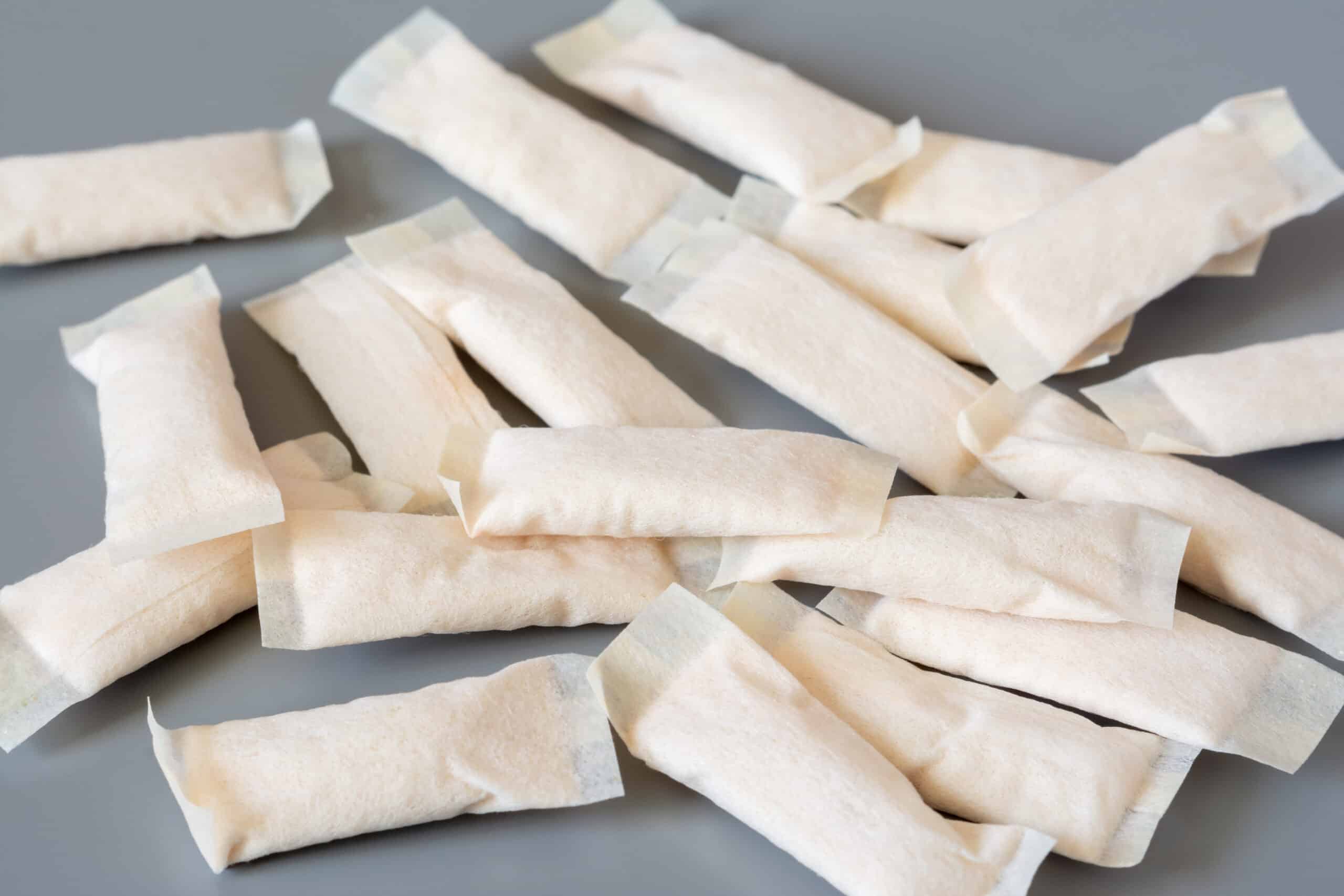
Following the ban on nicotine pouches in France, Philip Morris France (PMF) denounced the decision as "unjustified" and called for a national forum on nicotine issues. This stance is part of a broader strategy to influence the regulation of new nicotine products, even though these pouches were being marketed without authorization. It comes in a context marked by concerning scientific data, repeated violations of the public health code, and recurrent and blatant attempts to interfere in public policy. In light of France's international obligations, particularly Article 5.3 of the WHO Framework Convention on Tobacco Control, these actions underscore the critical importance of ensuring the independence of public health decisions from the tobacco lobby.
A protest that obscures the illegal nature of placing nicotine sachets on the market
In its press release[1], Philip Morris France describes the ban on nicotine pouches as a "dogmatic" decision based on prohibition, arguing that it would deprive adult smokers of "less harmful alternatives" and calling for a national forum on nicotine to "support the 12 million adult smokers." The company also highlights the risk of the development of parallel markets, citing the example of disposable e-cigarettes ("puffs") and international comparisons, particularly with the United States and Sweden, where these products are authorized and regulated.
This argument, however, tends to obscure a central point: the nicotine sachets were being sold in France without prior marketing authorization. As the Council of State reiterated in a recent ruling, nicotine sachets, such as those from the Philip Morris brand, are prohibited from being sold in France.
Presenting the current ban as a choice between prohibition and regulation thus overlooks the fact that these products were already, in practice, operating illegally. The government's intervention aims precisely to put an end to marketing that has developed outside the legal framework, to broaden the scope of the ban in particular to prevent circumvention, and to mitigate the risks associated with the uncontrolled distribution of nicotine products.
Furthermore, the comparisons put forward by the company with very specific foreign frameworks cannot obscure the provisions in force of French law, nor the fact that the authorization of certain products in other countries is based on prior evaluation procedures and strict regulatory mechanisms, which by definition did not exist in France when the tobacco manufacturer launched the illicit marketing of these products.
Independent analyses reveal the presence of toxic substances
The arguments put forward by Philip Morris France also appear to be at odds with the available scientific data. At the request of the National Committee Against Smoking (CNCT), laboratory analyses were carried out on several brands of nicotine sachets, including ZYN, marketed by Philip Morris.[2] by the National Consumer Institute.
These analyses revealed the presence of toxic substances, including lead and arsenic, two heavy metals whose harmful effects on health are well documented. These results raise serious concerns about the safety of these products, especially since they were distributed without rigorous prior evaluation within an appropriate regulatory framework.
These results contradict the claims of manufacturers presenting these products as reduced-risk alternatives, even though their composition and long-term effects remain insufficiently characterized, while the degree of dependence induced by their use is established.
Philip Morris France's stance must be analyzed in light of its history of repeated violations of the provisions of the public health code.
In French law, all forms of advertising, direct or indirect, for tobacco products are strictly prohibited, including for related devices such as heated tobacco products. Several court decisions, obtained following legal action brought by the National Committee Against Smoking (CNCT), have upheld this prohibition.[3]-[4], thus led to the conviction of Philip Morris France for communication practices amounting to illegal advertising, particularly in connection with the IQOS device.
An influence strategy incompatible with the provisions of the WHO Framework Convention
Philip Morris France's stance is part of an active influence strategy aimed at impacting public health decisions in France, particularly to obtain a more favorable regulatory framework for its new nicotine products (heated tobacco, vaping devices, nicotine sachets).
Through its call for a "Grenelle of Nicotine," the company seeks to establish itself as a legitimate stakeholder in the development of public policy, while simultaneously challenging existing measures. This approach explicitly aims to influence current regulations and prevent the extension of the most protective mechanisms, particularly those concerning advertising, taxation, or the prohibition of certain products, to these new categories.
Such initiatives underscore the crucial importance of Article 5.3 of the World Health Organization Framework Convention on Tobacco Control, ratified by France, which must be implemented by public authorities. This article aims to protect public health policies from any interference by the tobacco industry, due to a fundamental and irreconcilable conflict of interest between the interests of manufacturers and those of public health. The guidelines for implementing this article are explicit: the industry must under no circumstances be involved in the development of tobacco control policies.
AE
[1] Press release, Philip Morris France denounces the ban on nicotine sachets and calls for a 'Grenelle on nicotine' in 2026, Actunews, published April 3, 2026, accessed April 7, 2026
[2] Press release, The CNCT and the INC/60 Millions de consommateurs reveal the results of their study: lead and arsenic found in nicotine sachets, CNCT, published on December 10, 2024, accessed on April 7, 2026
[3] Press release, Philip Morris France faces another conviction, and its former president receives her first conviction., CNCT, published on February 21, 2025, accessed on April 7, 2026
[4] Press release, Philip Morris France faces another conviction, and its former president receives her first conviction., CNCT, published on July 9, 2024, accessed on April 7, 2026
National Committee Against Smoking |