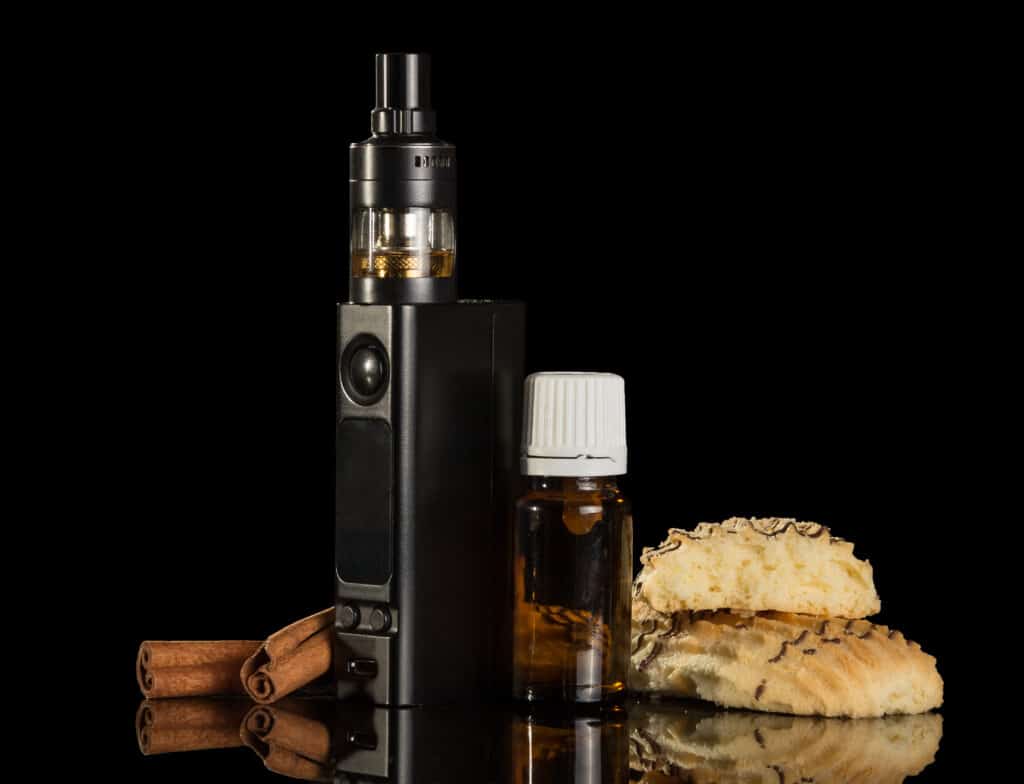
Ban on flavours for heated tobacco: BAT protests and sues Ireland
December 22, 2022
Par: National Committee Against Smoking
Dernière mise à jour: December 22, 2022
Temps de lecture: 4 minutes

Manufacturer British American Tobacco (BAT) has announced that it has filed legal proceedings in the High Court of Ireland against the Department of Health and the Attorney General of Ireland to protest the ban on the sale of flavoured heated tobacco.
In early November 2022, the European Commission published Directive 2022/2100, extending to heated tobacco products “the ban on placing on the market tobacco products containing a characterising flavour or containing flavours in any of their components such as filters, paper, packaging and capsules, or any technical device that modifies the odour or taste”[1].
BAT's "risk reduction" justification for legal proceedings
The tobacco company justifies its decision to initiate legal proceedings because heated tobacco is supposedly less harmful to health. Indeed, according to BAT, as for the players in the tobacco industry, the consumption of heated tobacco results in a reduction of the risk for the consumer, and would allow some smokers to quit traditional smoking. However, these allegations are refuted by independent scientific research, which underlines that the consumption of heated tobacco does not result in a reduction of risks, but in a "modified risk"[2]. Furthermore, studies show that in the vast majority of cases, heated tobacco consumption is added to that of conventional manufactured cigarettes, while in 20% of cases, heated tobacco consumers were previously non-smokers.[3].
Rapid development in Europe
The strategy by which the tobacco industry seeks to develop this new product is symptomatic of the practices of this sector, which have shown a certain consistency over the decades. Indeed, part of the commercial development of heated tobacco is due to the marketing and advertising efforts that this new product is subject to on the part of manufacturers. These promotional strategies, particularly aggressive and often illicit, have notably enabled the tobacco industry to strongly penetrate the markets of Southern Europe, such as Italy. However, a report from the European Commission in June 2022 sounded the alarm about the exponential development of heated tobacco in all European countries where the product is marketed. Thus, sales of heated tobacco have exploded in Europe, rising from 924 million to 19.7 billion between 2018 and 2020, an increase of more than 2,000 %, with significant increases in France (+ 406%), Portugal (180%) and the Netherlands (153%).
Legal action: a tobacco industry influence strategy
The proliferation of litigation actions against public health regulations is part of the tobacco industry's arsenal to protect its interests. Indeed, the regular conduct of legal actions, before national courts, or under trade agreements, or even the simple threat of legal actions are aimed at obtaining a "regulatory cooling" for public authorities. The suggested risk of these legal actions tends to inflate the perception of the costs that these public health regulations represent in the eyes of decision-makers. If the legal actions undertaken by the tobacco industry regularly fail, this strategy of multiplying legal actions seeks more to exert pressure on decision-makers, and discourage them from undertaking public health policies.[4].
Keywords: Heated tobacco, BAT, Ireland ©Generation Without TobaccoFT
[1] European Union, Commission Delegated Directive (EU) 2022/2100 of 29 June 2022 amending Directive 2014/40/EU of the European Parliament and of the Council as regards the withdrawal of certain exemptions for heated tobacco products, 03/11/2022
[2] Glantz SA, Heated tobacco products: the example of IQOS, Tobacco Control 2018;27:s1-s6.
[3] B. Dautzenberg, M.-D. Dautzenberg. Heated tobacco: systematic review of the literature. Revue des Maladies Respiratoires, 2019, 36, pp.82 - 103. 10.1016/j.rmr.2018.10.010. hal-03485625
[4] Ulucanlar S, Fooks GJ, Gilmore AB. The Policy Dystopia Model: An Interpretive Analysis of Tobacco Industry Political Activity. PLoS Med. 2016 Sep 20;13(9):e1002125. doi:10.1371/journal.pmed.1002125. PMID: 27649386; PMCID: PMC5029800.
National Committee Against Smoking |