BAT opposes proposed new flavour regulations in Iceland
April 14, 2022
Par: National Committee Against Smoking
Dernière mise à jour: April 14, 2022
Temps de lecture: 5 minutes

The project to protect young people and ban flavourings in pouches and electronic cigarettes, proposed by the Minister of Health, is opposed by British American Tobacco (BAT) in the name of risk reduction.
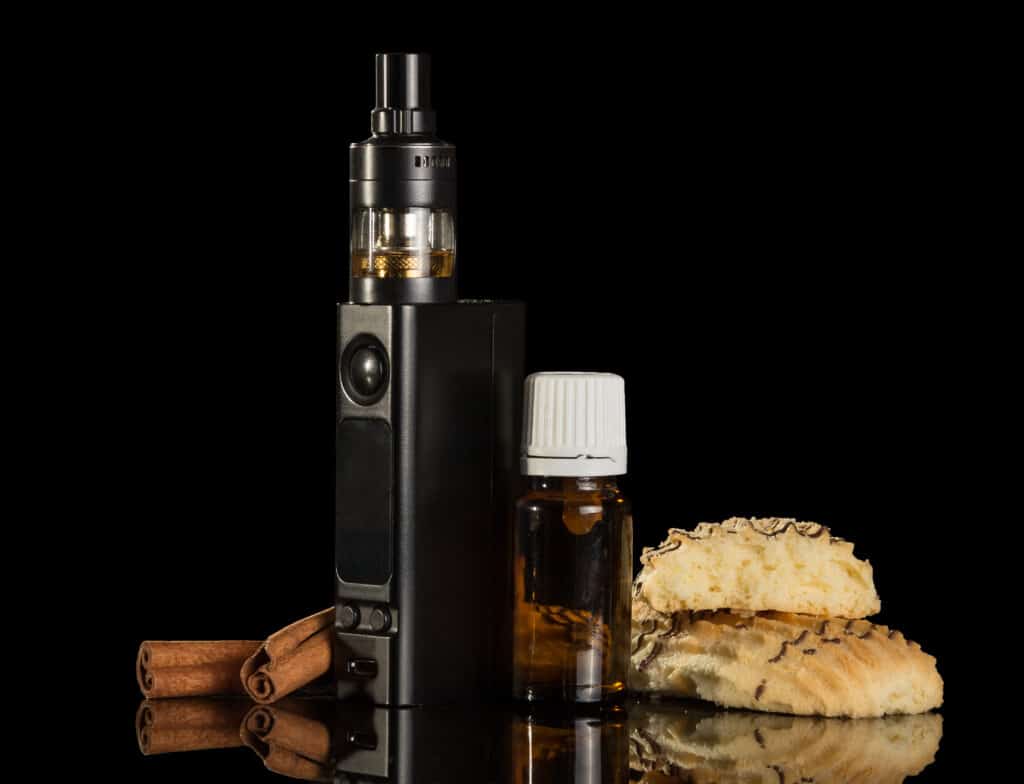
Banning fruit and candy flavors in pouches (nicotine sachets that are placed between the lip and gum), electronic cigarettes and refill liquids, but also banning the use of all these products in the educational environment (nurseries, schools, middle schools and high schools) and in places frequented by young people (sports, leisure, social activities), these are the main provisions of the bill on tobacco and vaping products.[1]This project provides in particular for the alignment of the regulation of vaping products (devices and e-liquids) and pouches with that of tobacco products, for example by prohibiting the sale of these products to minors.[2].
BAT wants to preserve sweet aromas and asks for delay
British American Tobacco has sent a letter to Health Minister Willum Þór Þórsson acknowledging the value of the minimum purchase age, the ban on vaping in schools and other child protection measures, but expressing outrage at the ban on flavours in nicotine products. The second-largest tobacco multinational, which claims, after Philip Morris International, to want to combat smoking and help smokers quit, believes that fruit and confectionery flavours would help adult smokers to free themselves from smoked tobacco. This argument is widely used by the front groups of the tobacco and vaping industry to justify maintaining sweet flavours, while research has shown their strong appeal to teenagers.[3].
BAT is also calling for the legal nicotine level in pouches to be raised to 20 mg, based on the threshold applied in Sweden, while the average level in pouches in Iceland is 11 mg. The multinational, owner of the Velo pouch brand, is also calling for a period of twelve months before the implementation of this legislation, time it considers necessary to adapt its production tool.
This protest was supported by two parliamentarians from the Independent Party. The first believes that these measures, intended to protect minors, would be to the detriment of the self-determination of adults who wish to stop smoking. The second considers that such restrictions would harm the agri-food sector. These arguments are reminiscent of those of the tobacco industry, among others used in debates on smoking bans, which however neglect to weigh up the relevance of this self-determination when it comes to minors.[4].
Strong growth of nicotine products in Iceland
These questions are all the more sensitive in a country which has seen a spectacular decline in its smoking prevalence over thirty years, reaching 17% in 2019, including 8% daily smokers.[5]. The last ten years have seen, alongside the decline in smoking, a significant increase in the use of nicotine products. One in six 15-16 year-olds used an e-cigarette in 2019 and a third of 18-34 year-olds now consume pouches almost daily.
The rapid growth of nicotine products among young people and minors is one of the main reasons for the proposed ban on sweet flavours. The Director General of Health also pointed out the harmful effects of nicotine on the development of the brain of young people and adolescents, in terms of concentration, motivation and mood changes.
Keywords: Iceland, nicotine, flavors, pouches, BAT
MF
[1] Poggio A, Tobacco Giant On Flavor Ban Of New Bill: Undermines Public Health Goals, Rykjavil Grapevine, published April 8, 2022, accessed April 11, 2022.
[2] Iceland Mulls New Restrictions on Nicotine, Tobacco Reporter, published March 21, 2022, accessed April 11, 2022.
[3] Do E, O'Connor K, Kreslake J, Friedrichsen S, Vallone D, Hair E, Influence of Flavors and Nicotine Concentration on Nicotine Dependence in Adolescent and Young Adult E-Cigarette Users, Substance Use & Misuse, 2022;(57),4. DOI: 10.1080/10826084.2022.2034876
[4] Schmidt A. Is there a human right to tobacco control? in: Gispen ME, Toebes B. Human Rights and Tobacco Control. Edgar Studies in Health and the Law, Liverpool, 2020.
[5] OECD/European Observatory on Health Systems and Policies, Iceland: Country Health Profile 2021, State of Health in the EU, OECD Publishing, Paris/European Observatory on Health Systems and Policies, Brussels, 2021.
National Committee Against Smoking |