When JUUL follows in the footsteps of the tobacco industry
July 8, 2020
Par: communication@cnct.fr
Dernière mise à jour: July 8, 2020
Temps de lecture: 3 minutes

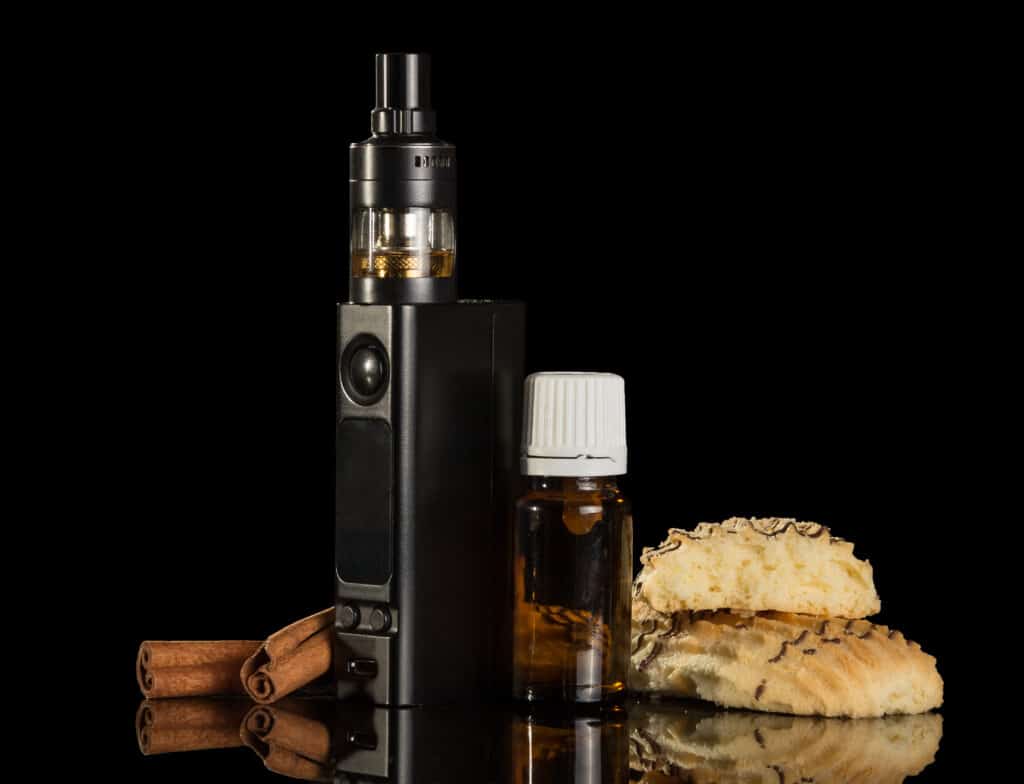
JUUL, the leading e-cigarette maker on the North American continent, owned since December 2018 by cigarette maker Altria Philip Morris, is accused of trying to legitimize its business by recruiting public health researchers.
Juul at the heart of several legal battles in the United States[1]
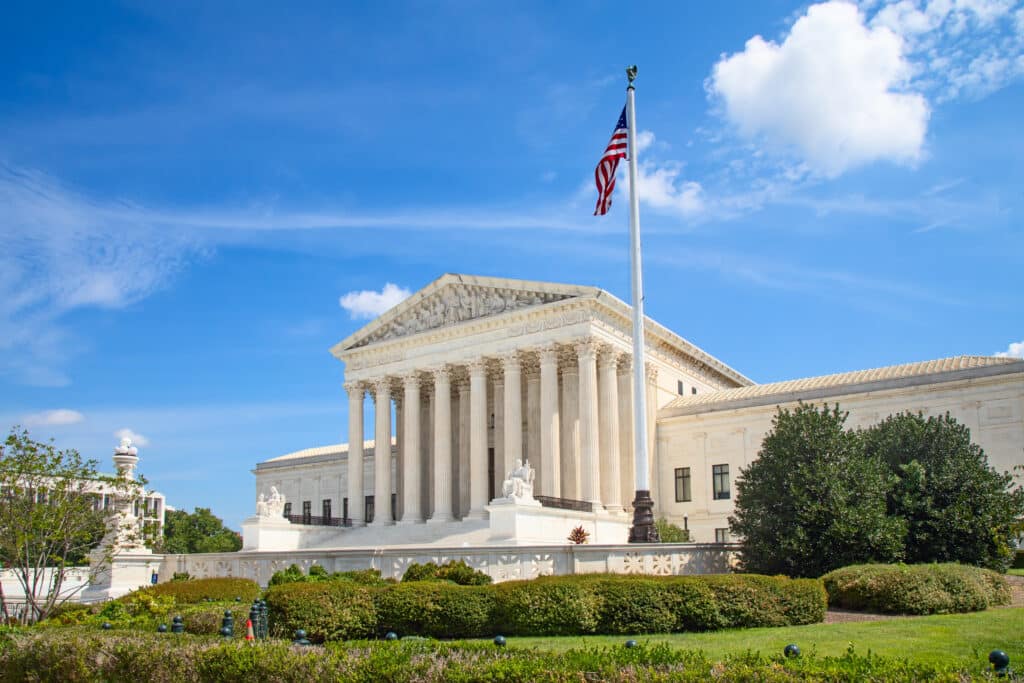
The number of lawsuits against the e-cigarette maker is linked to the rise in teen use of its products. Many of the e-cigarette lawsuits target Juul Labs Inc., which accounts for about 75% of e-cigarettes sold in the United States. As of early 2020, there were 331 lawsuits filed against JUUL in the United States, consolidated into a class action in federal court in San Francisco. The proceedings include both class actions and individual actions.
Juul Labs Inc. faces investigations and lawsuits in dozens of states[2], most of which accuse the company of illegally marketing and promoting e-cigarettes and their flavors to teenagers who are legally prohibited from selling the products.
As several states began investigating Juul, it was discovered that the company was also trying to recruit public health researchers from the University of Minnesota.[3] and that of Kentucky, to finance their studies.
A tactic comparable to that of the tobacco industry
At a conference in San Francisco in 2019, researcher Michael Parks[4] from the University of Minnesota was contacted by JUUL's director of medical affairs for a possible collaboration, following his latest study on youth and smoking. The proposal stated, "potential research opportunities" with the company. An offer that Michael Parks refused.
Dr. Alex Carll[5], from the University of Louisville in Kentucky, was presenting his research on the impact of e-cigarette smoke on the hearts of mice at an American Heart Association conference when Jeff Vaughan, who heads medical relations for e-cigarette maker Juul, approached him. Vaughan was looking for people to collaborate with, as the company could offer up to 200,000 $s to work on the health implications of Juul on the human body.
Company representatives hounded e-cigarette researchers at conferences, bombarding interested speakers with emails and phone calls to meet with them, and offering lavish pay packages to academics. Juul’s tactic of enlisting respected researchers is similar to that of the tobacco industry beginning in the 1950s.[6]-[7].
[1] https://www.drugwatch.com/e-cigarettes/lawsuits/ [2] https://edition.cnn.com/2020/02/13/health/massachusetts-juul-suit/index.html [3] https://kstp.com/news/5-investigates-juul-recruited-u-of-m-researcher-as-vaping-controversy-intensified-july-6-2020/5783926/ [4] Ibid [5] https://www.nytimes.com/2019/05/27/health/juul-ecigarettes-science.html [6] https://cnct.fr/les-manipulations-de-lindustrie-du-tabac/dissimulation-mensonges-controverse-tabac/ [7] https://cnct.fr/actualites/lacademie-du-mensonge-de-lindustrie-du-tabac-inventeur-de-faits-alternatifs/ ©National Committee Against Smoking |