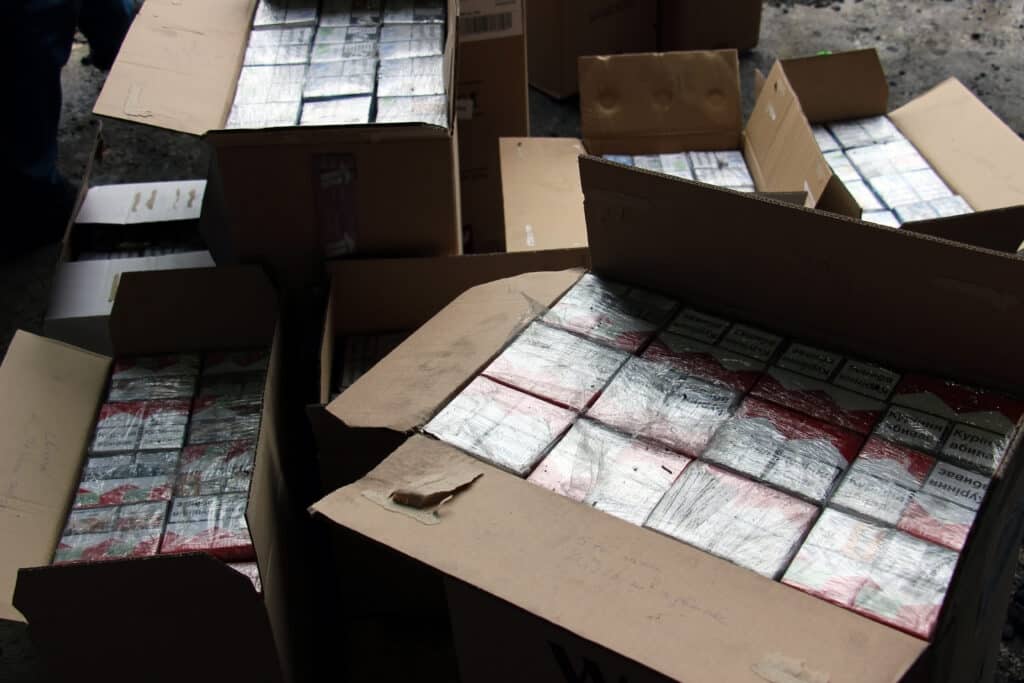
Ecuador: Philip Morris demands compensation for its own contraband cigarettes
June 15, 2020
Par: communication@cnct.fr
Dernière mise à jour: June 15, 2020
Temps de lecture: 3 minutes

In recent years, Ecuador has implemented a comprehensive and coordinated strategy to combat tobacco use. This has resulted in the adoption of large health warnings on cigarette packages, training doctors in the treatment of tobacco addiction, and increasing taxes on tobacco products. Cigarettes in Ecuador are among the least affordable in South America. These measures allow the country to join the movement to quit smoking in society with a smoking prevalence of 5% by 2025[1].
The main obstacle to significantly reducing tobacco consumption remains the weight of the illicit trade in tobacco products. This problem has been taken very seriously by the Ecuadorian government. In 2017, a system for tracking and tracing cigarettes produced in the country was established to combat tax evasion related to tobacco products. Ecuador was also one of the first countries in the region to ratify the WHO Protocol to Eliminate Illicit Trade in Tobacco Products. Ecuador assumed the presidency of the first Meeting of the Parties to the Protocol and helped continue global work on the implementation of the treaty by hosting, among other things, the Protocol’s Working Group on Assistance and Cooperation. At the national level, a bill to combat smuggling was proposed in April 2020 and included provisions facilitating prosecutions and strengthening penalties.
Cigarette companies publish estimates of illicit cigarette trade in Ecuador. According to them, it represents 72.4% of the market but the methodology used for this assessment is not transparent. Data from other countries[2] suggest that the tobacco industry consistently significantly overstates the extent of the illicit trade problem[3]The objection of the development of illicit trade in tobacco products is a constant among cigarette manufacturers against tax increases on tobacco products.[4]-[5] .
In many countries, the tobacco industry presents itself as a victim of illicit trade and displays its desire to be a committed player against this scourge.[6]. In Ecuador, it is the same. End of April 2020[7], the three Ecuadorian subsidiaries of Philip Morris International (PMI) that collectively represent almost the entire legal cigarette market in Ecuador, have sent a letter to the government commission leading work on the draft law to combat illicit trade. The cigarette manufacturer believes it is a victim of illicit trade and should be compensated for this damage, including in the form of a tax exemption. However, these contraband cigarettes leave its factories and have been sold on a parallel market generating a profit for the manufacturer.
[1] https://www.who.int/tobacco/publications/surveillance/trends-tobacco-smoking-second-edition/en/
[2] https://tobaccoatlas.org/topic/illicit-trade/
[3] https://cnct.fr/la-lutte-contre-le-commerce-illicite/2/
[4]https://pubmed.ncbi.nlm.nih.gov/30135114/?from_term=anna+gilmore+illict+trade&from_exact_term=anna+gilmore+illicit+trade&from_pos=4
[5] http://www.batfrance.com/group/sites/BAT_877JLA.nsf/vwPagesWebLive/DO87ACHD?opendocument
[6] https://www.pmi.com/sustainability/fighting-illicit-cigarette-trade
[7] https://es.tobaccoatlas.org/2020/06/09/philip-morris-makes-profit-on-cigarettes-smuggled-to-ecuador-and-now-seeks-government-compensation-for-these-same-cigarettes/