The triple objective of smoke-free parks
14 May 2020
Par: chef-projet@dnf.asso.fr
Dernière mise à jour: 14 May 2020
Temps de lecture: 2 minutes

In the US state of Michigan, the tenth District of the US Department of Health, which administers 10 counties and whose dual mission since 1997 is to promote and improve the health of residents and to protect the environment[1], announced in a press release dated May 12[2], join the mobilization in favor of smoke-free parks in its jurisdiction.
In this way, the objective pursued is threefold: 1. Reduce exposure to passive smoking; 2. Reduce pathologies associated with passive smoking; 3. Denormalize tobacco, particularly among young people.
For the district, the stakes behind this initiative are threefold: banning smoking in parks encourages a healthier lifestyle, partially eliminates the problem of mass waste and prevents smoking among future generations.
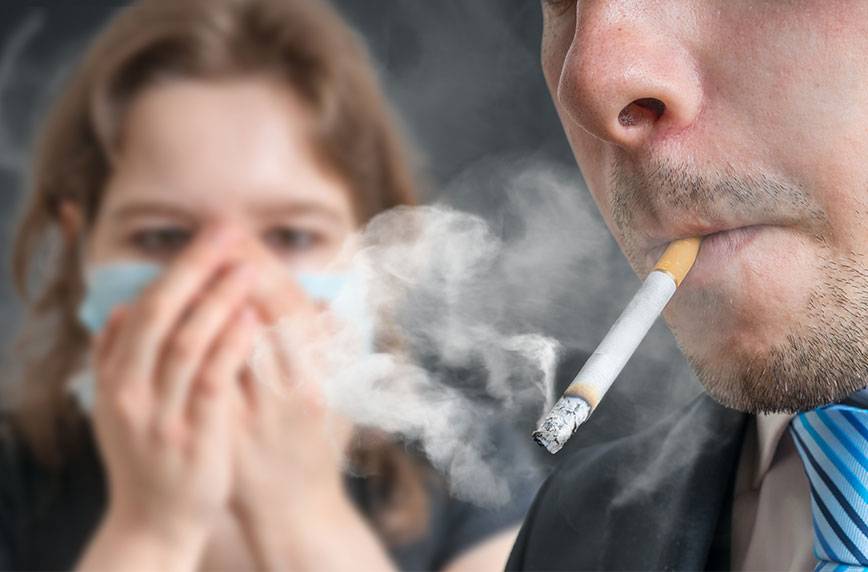
In concrete terms, the ban helps create an environment where visitors do not inhale the 7,000 substances contained in smoke, some of which are extremely toxic and even carcinogenic. This limitation of exposure to passive smoking is primarily intended to avoid repercussions on the cardiovascular and respiratory systems of children and unborn children. In addition, it could also facilitate, over time, the withdrawal of former smokers.
Additionally, smoking-free parks not only prevent nicotine poisoning in children and wildlife, but also reduce fire hazards by eliminating tobacco product waste, which is the leading source of trash.
Finally, considering that 87% of tobacco users begin before the age of 18, the District emphasizes that denormalizing smoking among youth is a major focus in the fight against tobacco use, and asserts that smoking bans in parks will help reverse the social norm.