Tobacco control in Germany: failure to protect the right to health and women's rights
February 7, 2020
Par: communication@cnct.fr
Dernière mise à jour: February 7, 2020
Temps de lecture: 3 minutes

This year, Germany is to report to the UN Committee on the Convention on the Rights of Women (CEDAW) and submit its report of execution. Unfair tobacco, together with nine other organizations, draw the Committee's attention to the violation of women's rights by tobacco products.
Tobacco use kills 8 million people each year, including approximately 50,000 women in Germany. Although smoking prevalence among women in Germany is slowly declining, 23% of women over the age of 15 smoke, and hookah use has increased among young adult women aged 18 to 25.[1]-[2].
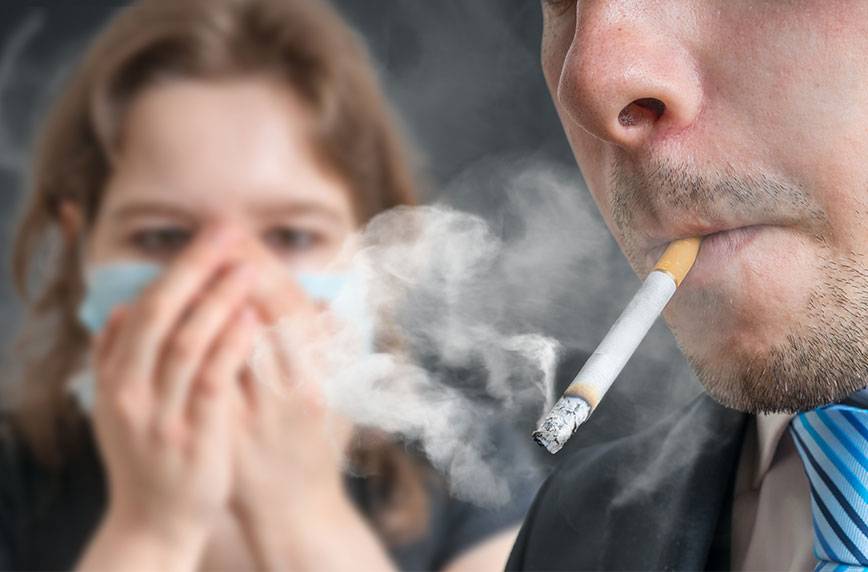
Tobacco use is an industrial epidemic and undermines human rights because it prevents the achievement of the highest possible level of health and is highly addictive. Smoking and exposure to secondhand smoke particularly affect women's (reproductive) health and increase their risk of disease and premature mortality. Despite the immense health damage, Germany lacks key tobacco control measures such as significant increases in tobacco taxes, expanded legislation regarding smoke-free public places, and a ban on tobacco advertising, promotion, and sponsorship. Political parties receive donations from tobacco companies and their allies, and many of their meetings are sponsored by these manufacturers.
Germany is also one of the world's leading tobacco exporters, importing around 115,000 tonnes of tobacco leaves per year.[3]As Germany is a major cigarette exporter, human rights violations related to tobacco production in the Global South affect the country's extraterritorial obligations. Therefore, Germany is also obligated to support compliance with human rights standards in the tobacco supply chain. To date, however, no law guarantees transparency and monitoring of human rights compliance by companies based in Germany. Such legislation is particularly urgent in the tobacco sector.
[1] World Health Organization 2019: WHO global report on trends in prevalence of tobacco use 2000-2025, 3rd edition. Geneva. Online: https://apps.who.int/iris/rest/bitstreams/1263754/retrieve, accessed 19 December 2019. European Commission 2017: Special Eurobarometer 458: Attitudes of Europeans towards tobacco and electronic cigarettes: Germany. Online: https://ec.europa.eu/commfrontoffice/publicopinion/index.cfm/ResultDoc/download/DocumentKy/79025 [2] Orth B, Merkel C 2019: Rauchen bei Jugendlichen und jungen Erwachsenen in Deutschland. Ergebnissedes Alkoholsurveys 2018 und Trends. BZgA-Forschungsbericht. Cologne, Bundeszentrale für gesundheitliche Aufklärung. Online: https://www.bzga.de/fileadmin/user_upload/PDF/studien/Alkoholsurvey_2018_Bericht-Rauchen.pdf [3] UN data 2019: Trade of goods, US$, HS1992, 24 Tobacco and manufactured tobacco substitutes, Filter: Cigarettes containing tobacco. Online:http://data.un.org/Data.aspx?q=tobacco+unmanufactured+stem-med+stripped&d=ComTrade&f=_l1Code%3a25%3bcmdCode%3a240120, accessed 30 December 2019.Observatory of Economic Complexity 2019: Where does Germany import raw tobacco from? (2017). Online:https://atlas.media.mit.edu/en/visualize/tree_map/hs92/import/deu/show/2401/2017, accessed 30December 2019. | ©National Committee Against Smoking |