In Italy, Philip Morris was sanctioned for its "smoke-free future" rhetoric.
June 15, 2026
Par: National Committee Against Smoking
Dernière mise à jour: June 11, 2026
Temps de lecture: 6 minutes
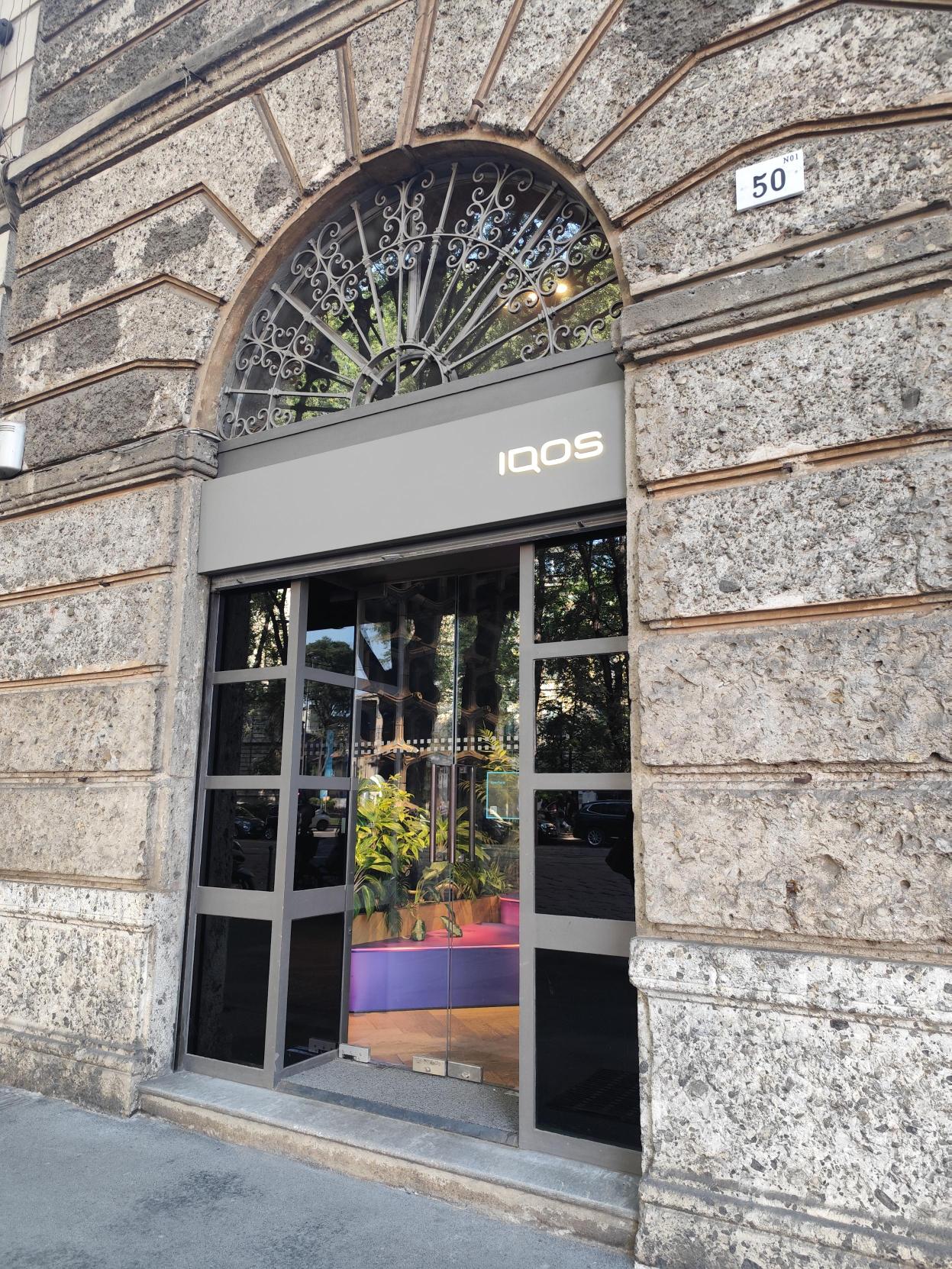
The Italian competition authority has fined Philip Morris Italia 7 million euros.[1] Philip Morris has been fined for misleading marketing practices related to the promotion of its so-called "smoke-free" products. The investigation, opened following a report from the Italian Ministry of Health, focused in particular on the use of expressions such as "smoke-free," "smoke-free products," and even "building," "planning," and "accelerating" a "smoke-free future." According to the authority, these formulations are likely to mislead consumers, including minors, into believing that these products are free of harmful effects or less harmful than traditional cigarettes. This decision comes as Philip Morris makes its "exit from smoke" message a central focus of its global marketing strategy, particularly to promote IQOS heated tobacco products, VEEV vaping products, and ZYN nicotine pouches.
An investigation has been opened following a report from the Italian Ministry of Health.
The case originated from a report filed by the Italian Ministry of Health with the Italian Competition and Market Authority (AGCM) on October 15, 2025.[2], The Italian authority has officially announced the opening of an investigation targeting Philip Morris Italia for possible misleading commercial practices related to the promotion of its so-called "smoke-free" products, including IQOS devices, VEEV and ZYN nicotine sachets.
The AGCM was particularly interested in the use of phrases such as "smoke-free," "smoke-free products," and "a smoke-free future," widely used by Philip Morris in its corporate and commercial communications. According to the authority, these expressions risk being perceived by consumers as a guarantee of safety or as proof of a reduced health risk compared to conventional cigarettes, even though these products contain nicotine and remain susceptible to addiction.
As part of the investigation, inspections were carried out on October 14, 2025, at the premises of Philip Morris Italia and Philip Morris Manufacturing & Technology Bologna by agents of the AGCM, assisted by the specialized unit of the Guardia di Finanza. The objective was to gather documents and evidence concerning the group's communication strategy and the claims used to promote its combustion-free products.
After several months of investigation, the Italian authority issued its decision on June 10, 2026, and fined Philip Morris Italia €7 million. The AGCM (Italian Consumer Protection Agency) determined that the evidence gathered during the proceedings did not establish that the products in question were harmless or significantly less harmful than traditional cigarettes. It therefore considered that the repeated use of the "smoke-free future" concept was likely to mislead consumers about the actual health characteristics of these products. This case is not the first between Philip Morris and consumer protection authorities in Italy. As early as 2018, the AGCM had already fined the company €500,000 for practices amounting to disguised advertising for IQOS in several Italian magazines.
The discourse on "a smoke-free future": an industrial repositioning strategy
Beyond the Italian sanction, this case illustrates a broader strategy by Philip Morris International, which has been seeking for several years to reposition its image around a supposed "smoke-free future." This communication does not signify an exit from the tobacco or nicotine market, but rather accompanies the development of new ranges of addictive products, including heated tobacco, e-cigarettes, and nicotine pouches.
The use of positive, technological, or health-related language allows the company to present itself as a driver of change, while continuing to market products containing nicotine. This strategy perpetuates a confusion between the absence of combustion, the supposed reduction of risks, and the absence of danger. However, heated tobacco products remain tobacco products, delivering nicotine and exposing consumers to toxic substances.
This marketing approach also aims to circumvent advertising restrictions applicable to tobacco products. By emphasizing innovation, transition, or "harm reduction," Philip Morris seeks to shift the debate toward modernizing its product portfolio, rather than toward the goal of reducing tobacco and nicotine consumption.
Italy, a strategic market for heated tobacco in Europe
Italy occupies a special place in this strategy. Along with Japan, it was one of the first markets where IQOS was launched in 2014. Since then, heated tobacco has become significantly important there, in a regulatory context more favorable than in other European Union member states.
Unlike France, where heated tobacco consumption remains more limited and tobacco advertising restrictions are particularly strict, Italy is one of the largest European markets for these products. The Tobacco Control Scale 2025 also highlights that Italy still allows extensive promotion of heated tobacco and permits its use in certain places where smoking is regulated, such as bars, restaurants, and workplaces.
In France, Philip Morris was also prosecuted by the CNCT for promoting IQOS. In 2024, the Paris Court of Appeal upheld the conviction of Philip Morris France and Philip Morris Products for illegal propaganda and advertising in favor of this heated tobacco device. More recently, in January 2026, The Paris judicial court recognized the advertising nature of statements found on packaging for heated tobacco products, such as "no combustion = no smoke", considering that they were likely to enhance the value of the product and mitigate the perception of risks.
The Italian sanction is part of a broader European trend challenging tobacco companies' communication strategies regarding new tobacco and nicotine products. It serves as a reminder that the vocabulary of innovation or transition cannot mask the continued marketing of addictive products, nor can it weaken the fundamental principles of public health protection.
AE
[1] Italy fines Philip Morris €7 million over 'smoke-free' marketing claims, Reuters, published on June 10, 2026, accessed the same day
[2] Italy opens an investigation into Philip Morris's communication surrounding its "smoke-free" products., AT Switzerland, published on October 16, 2025, accessed on June 11, 2026
National Committee Against Smoking |